This company has no active jobs
0 Review
Rate This Company ( No reviews yet )
About Us
The Most Pervasive Issues With Medical Rollator
Understanding Medical Rollators: A Comprehensive Guide
As the population ages and the prevalence of mobility-related issues boosts, medical rollators have ended up being vital assistive devices for lots of individuals seeking to restore their self-reliance. Medical rollators are not merely walking aids; they are detailed Panana Lightweight Folding Mobility Walker – Blue options designed to offer stability, support, and convenience. This post checks out the different aspects of medical rollators, including their types, benefits, key functions, and how to pick the best one.
What is a Medical Rollator?
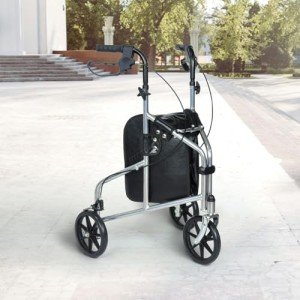
A medical rollator is a walking aid geared up with wheels, hand brakes, and a seat. It is designed to assist people with mobility challenges, such as the elderly or those recovering from surgical treatment or injury. Unlike conventional walkers, which require lifting, rollators allow users to propel themselves forward Ultralight Tri-Walker with Seat – Mobility Made Easy minimal effort. They are developed for both indoor and outdoor use and offer users a degree of independence and self-confidence in mobility.
Key Features of Medical Rollators
When picking a medical Bonnlo All-Terrain Rollator Walker with Padded Seat, numerous features need to be considered:
- Wheels: Rollators typically have either 3 or 4 wheels, with the latter offering greater stability.
- Brakes: Hand brakes are vital for safety, allowing users to stop and protect the rollator when needed.
- Seat: Many rollators featured a built-in seat for pause, making them perfect for users who might tire quickly.
- Storage: Most designs include baskets or bags that permit for easy transportation of personal items.
- Adjustable Height: Rollators need to have adjustable height settings to accommodate users’ differing requirements.
- Weight Capacity: Different rollator models support different weight limits– it’s essential to select one that matches the user’s requirements.
| Feature | Description |
|---|---|
| Wheels | 3 or 4 wheels for stability |
| Brakes | Hand-operated for safety |
| Seat | Built-in for resting functions |
| Storage | Extra storage space |
| Adjustable Height | Customizable for user convenience |
| Weight Capacity | Varies by design; check requirements |
Benefits of Using a Medical Rollator
Medical rollators offer numerous advantages for users, including:
- Enhanced Mobility: Rollators enable users to move more easily, lowering the threat of falls while making sure stability.
- Increased Independence: With the assistance offered by a rollator, users can browse their environments without relying too greatly on caretakers.
- Convenience While Resting: The seat function permits users to take breaks as needed, making outings more workable.
- Safety and Stability: Rollators are equipped with safe brakes, giving users confidence in their ability to stop and rest safely.
- Adaptability: They can be utilized for both indoor and outdoor activities, including Carlett Grey Shopping Rollator with Comfortable Fabric Seat journeys and leisurely walks in the park.
Kinds Of Medical Rollators
Medical rollators come in different types to meet the diverse requirements of users. Below are some common types:
-
Standard Rollators: These have 4 wheels and are appropriate for both indoor and outdoor use. They typically feature a seat and storage compartment.
-
Compact Rollators: Designed for ease of transportation, these lighter models are foldable and easy to shop, making them perfect for users who travel regularly.
-
Durable Rollators: Built for users needing stronger support, these models frequently feature larger frames and greater weight capabilities.
-
Three-Wheel Rollators: Offering greater maneuverability, these are best for indoor use or in tight areas, though they might offer less stability than four-wheeled models.
-
Bariatric Rollators: These designs are designed for heavier weight capabilities and greater toughness, catering particularly to people requiring extra support.
Frequently Asked Questions About Medical Rollators
Q1: How do I know if I require a rollator?
A1: If you have difficulty walking, experience regular fatigue, or stress over falling, a rollator might be helpful. Consulting with a healthcare professional can provide individualized recommendations.
Q2: Are rollators covered by insurance?
A2: Many insurance coverage plans, including Medicare, might cover rollators when prescribed by a doctor. It’s a good idea to consult your insurance plan for specifics.
Q3: How do I keep a medical rollator?
A3: Regularly check the brakes, wheels, and general structure for wear and tear. Tidy the frame and storage compartments to guarantee hygiene.
Q4: Can rollators be changed for height?
A4: Yes, the majority of rollators have adjustable deals with to fit the user’s height easily. This is vital for proper posture and ease of use.
Q5: What should I consider when picking a rollator?
A5: Consider the environment you will be utilizing it in (indoor vs. outdoor), the weight capability needed, includes you choose (such as a seat and storage), and your own physical requirements.
How to Choose the Right Medical Rollator
Choosing the suitable medical Rollator With Seat can considerably impact a user’s quality of life. Here are some actions to consider when deciding:
-
Assess Needs: Determine what functions are vital, such as a seat, storage, or weight capability.
-
Test Models: If possible, check out different rollators. Inspect how simple they are to navigate and if the height adjustments fit your needs.
-
Research study Brands: Look for respectable brands that provide guarantees and good consumer assistance.
-
Speak With Healthcare Professionals: Engage with physiotherapists or occupational therapists who can supply recommendations based upon medical assessments.
-
Check Reviews: Online reviews can supply insights into user experiences with specific designs.
In conclusion, medical rollators are important tools that improve mobility and independence for those with mobility obstacles. By understanding the features, benefits, and types available, users can much better navigate their options and effortlessly incorporate rollators into their lives. Whether helping with recovery or simply boosting mobility, medical rollators play a crucial role in promoting independence and safety for individuals across varying mobility contexts.